Cuban Bakery Aurora CO: Delicious Traditions You Need to Try
Aurora has become one of those Colorado cities where food tells the story of migration better than any brochure ever could. You can feel it block by block, especially in neighborhoods where family-run shops sit between everyday businesses and quietly turn out some of the best baking in the metro area. If you are searching for a Cuban bakery Aurora CO locals return to again and again, what you are really looking for is more than pastry. You are looking for a style of baking shaped by history, scarcity, celebration, and routine. You are looking for the kind of place where breakfast, coffee, and conversation still belong together.
A good Cuban bakery does not rely on novelty. It wins people over with repetition done well. The same loaf baked properly every morning. The same guava filling balanced so it tastes bright rather than cloying. The same croqueta casing that shatters lightly before giving way to creamy filling. When it is done right, the food feels both comforting and precise, which is harder to achieve than many people realize.
That is why Cuban bakeries matter in a city like Aurora. They preserve a distinct baking tradition while adapting to the pace and tastes of a diverse local crowd. Some customers walk in already knowing exactly what they want. Others arrive after hearing a friend talk about Cuban bread or a memorable cortadito and start asking questions at the case. Both types of customer usually leave with more than planned.
What sets a Cuban bakery apart
People sometimes lump Latin bakeries together, but Cuban baking has its own character. The first difference is the role of bread. In many Cuban households and bakeries, bread is not just a side item. It is central to breakfast, sandwiches, and afternoon meals. The texture matters. The crust should be delicate but not thick, and the interior should stay airy enough to compress slightly when pressed for a sandwich.
Then there is the pastry case, which tends to strike a particular balance between sweetness and practicality. Cuban baked goods are often rich enough to feel indulgent but restrained enough to pair with coffee at 8 in the morning. That sounds simple, but it reflects a real cultural pattern. These are pastries people eat before work, on a quick break, after church, or while catching up with relatives. They are woven into daily life, not reserved for special occasions alone.
Another defining trait is the blend of influences. Cuban baking carries Spanish roots, touches of French technique through migration and colonial history, and Caribbean flavor logic that favors tropical fruit, puff pastry, coconut, and custards. Add the realities of immigrant entrepreneurship in the United States, and you end up with bakery counters where tradition and adaptation sit side by side. One tray holds classic pastelitos de guayaba. Another may feature a hybrid item created because local customers kept asking for it.
The first thing to order if it is your first visit
If you have never stepped into a Cuban bakery before, start with the basics. They tell you almost everything about the place. A bakery can hide a mediocre specialty behind clever presentation, but it cannot fake strong fundamentals. Bread, coffee, and a few classic pastries reveal whether the kitchen understands texture, timing, and restraint.
Here are five items worth trying first:
- Cuban bread, to judge freshness, crust, and crumb
- A pastelito de guayaba, for the balance of pastry and fruit
- A ham croquette, for texture and seasoning
- Café con leche or a cortadito, to see how the bakery handles coffee
- A Cuban sandwich if available, because the bread quality shows immediately
Those choices cover the bakery’s core strengths. The bread tells you whether the shop has discipline. The pastry tells you whether sweetness is controlled. The croquette shows whether fried items are maintained properly instead of sitting too long. Coffee exposes whether the front of house understands temperature, milk texture, and speed.
Bread is the backbone
Anyone evaluating a Cuban bakery in Aurora should pay attention to the bread before anything else. Bread is the piece most outsiders underestimate. It looks plain, which can make people assume it is easy. It is not. A proper Cuban loaf should feel light in the hand for its size, with a thin crust that flakes a little when torn. It should not eat like a heavy baguette, and it should not collapse into softness like packaged sandwich bread.
That texture matters because Cuban bread is functional. It has to support pressed sandwiches without turning chewy. It has to stand up to butter in the morning and roast pork later in the day. If the loaf is too dense, every sandwich feels overbuilt. If it is too soft, the structure disappears under heat and pressure.
In Colorado, altitude and climate complicate baking, especially for shops rooted in techniques developed at sea level and in humid air. That detail often goes unmentioned by customers, but bakers feel it every morning. Dough ferments differently. Crust formation changes. Moisture https://jasperacpk528.meridiannest.com/posts/best-afternoon-snacks-from-a-cuban-bakery-in-aurora-co retention changes. A bakery that produces consistent bread in Aurora is not simply repeating inherited formulas. It is adjusting them intelligently. That is one of the clearest signs of professional skill.
The pastry case, where restraint matters
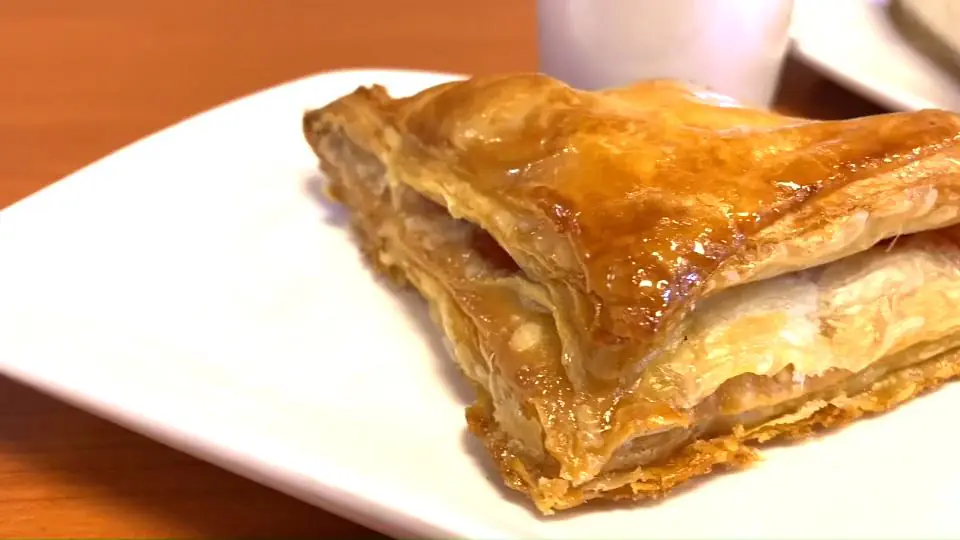
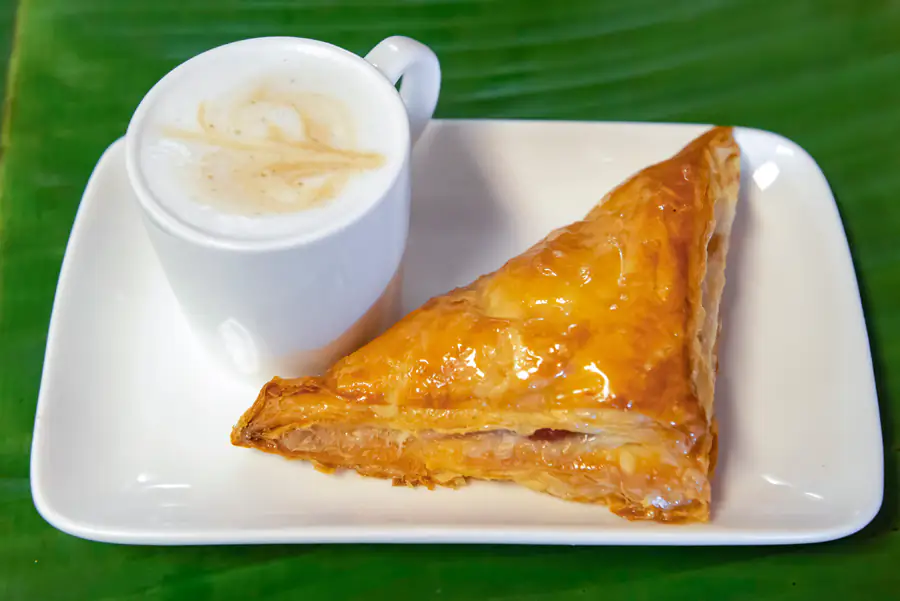
The classic image of a Cuban bakery often begins with pastelitos lined in neat rows. Guava is the standard-bearer for good reason. Guava paste has the concentrated flavor needed to stand up to flaky pastry, and its sweetness deepens when warmed. The best version tastes vivid rather than sugary. You want a fruit note that still feels recognizable, almost floral, not just candy-like.
Cheese and guava together is often the more complete bite. The mild, creamy cheese softens the intensity of the fruit and gives the filling a cleaner finish. That combination is one of those pairings that seems obvious once you taste it. In practice, though, balance is everything. Too much filling and the pastry turns gummy. Too little and it feels dry. Too much sugar on top and every bite becomes one-note.
You may also see pastries filled with coconut, custard, or meat. Some bakeries lean heavily into sweet offerings, while others keep the savory case just as strong. If you are choosing with a practical eye, order one of each. A shop that can execute both categories well is usually operating with real consistency.
Texture is where experienced bakers separate themselves. A great pastelito has layers you can hear faintly when you bite into it. A mediocre one bends instead of flakes. The difference comes from lamination, oven management, holding time, and simple discipline. Once a pastry sits too long, you can taste the fade.
Croquetas, the quiet benchmark
Plenty of people enter a Cuban bakery thinking first about sweets, but croquetas deserve serious attention. They are one of the smartest things to order if you want to understand whether the kitchen respects snacks and savory staples as much as display-case favorites.
A good ham croquette should be creamy inside, lightly seasoned, and coated in a crust that stays crisp without feeling oily. That sounds straightforward, yet it is where shortcuts show quickly. If the filling is too stiff, it eats pasty. If the oil is not properly maintained, the outer shell tastes heavy. If the ratio is off, one element dominates the other.
In a busy bakery, croquetas are often made in volume, which makes them a real test of process. Holding them too long under heat dries them out. Frying uneven batches leads to inconsistency from one order to the next. Shops that care about details usually move enough volume to keep them fresh, and regulars learn what time of day gives them the best shot at peak quality.
There is also a cultural point worth noting. Savory bakery foods like croquetas blur the line between bakery, café, and takeout spot. That crossover is part of the Cuban bakery experience. You are not just there for dessert. You are there for breakfast, for a midmorning coffee, for something quick before heading home.
The coffee culture is inseparable from the food
If the pastry case attracts your eyes, the coffee pulls the whole visit together. Cuban coffee culture is built on concentrated flavor and ritual. A cortadito, café con leche, or straight Cuban espresso does more than provide caffeine. It marks the pace of the day. It gives structure to conversation. It is often consumed quickly, but it should never feel careless.
A proper sweetened Cuban espresso has force behind it. The sweetness should support the roast, not bury it. Café con leche should be warm, comforting, and strong enough that it still tastes like coffee after milk is added. This is where many casual imitators miss the mark. They either soften the coffee too much or overcompensate with sugar.
In a strong bakery, coffee service tends to be fast because regulars know what they want. That pace can be intimidating if you are unfamiliar, but the best shops usually welcome questions. If you are uncertain, ask what they recommend with your pastry. Most staff can point you toward a pairing that makes sense. Guava pastry with café con leche is a classic for a reason. Savory breakfast items often sit well with a cortadito.
Why Cuban sandwiches matter in a bakery setting
Some people think of the Cuban sandwich as restaurant food rather than bakery food, but that misses how closely it depends on bread quality. In many shops, the sandwich is the ultimate proof of whether the bakery has mastered its fundamentals. Roast pork, ham, Swiss cheese, pickles, and mustard are important, but if the bread is wrong, the whole thing falls apart.
Pressed properly, the exterior should crisp while the inside stays tender enough to absorb the fillings without getting soggy. The bread should compress just enough to unify the layers. Too much pressure and it turns flat and dry. Too little and it remains bulky and uneven. It is a technical sandwich disguised as a simple one.
In Aurora, where diners have access to a wide range of sandwich traditions, a well-made Cuban sandwich stands out because of its texture. Every bite should carry contrast, crisp crust, soft center, salty ham, rich pork, acidic pickle, melted cheese. It is a lesson in balance, and it begins with the loaf.
What to notice when choosing a bakery in Aurora
Not every bakery that offers Cuban items operates at the same level, and not every shop has the same focus. Some are stronger on bread than pastries. Some do breakfast exceptionally well but keep a limited pastry selection later in the day. A few are community anchors where food quality and neighborhood familiarity are equally important.
When you walk in, a few cues are worth watching. The smell should lead with butter, bread, coffee, or frying, not stale sugar or old oil. The cases should look replenished rather than abandoned. The bread turnover matters. So does the rhythm of regular customers, which often tells you more than signage ever will. Busy does not always mean excellent, but a steady stream of people buying routine items is usually a good sign.
This is especially true if you are looking for a Cuban bakery Aurora CO residents treat as part of their weekly pattern rather than a one-time novelty stop. Repeat business tends to come from consistency, not social media appeal. A bakery can survive a while on presentation. It builds loyalty on reliability.
Timing changes the experience
One practical truth about bakeries is that the hour of your visit matters. Morning usually gives you the fullest look at bread, breakfast items, and the freshest pastries. Midday may be strongest for sandwiches and savory food. Later afternoons can be hit or miss depending on production style and demand.
If your goal is to judge a bakery fairly, go early on a weekday if possible. That is when you see the shop functioning as it was meant to function, with the day’s baking in motion and regulars setting the pace. Weekends can be lively and fun, but they can also create a rush that masks details.
There is no universal rule, but these patterns often help:
- Early morning is best for bread, coffee, and peak pastry texture
- Midmorning often works well for croquetas and breakfast sandwiches
- Lunch is ideal if the bakery is known for pressed sandwiches
- Late afternoon can still be good, but selection may narrow
- If a shop sells out of key items, take that seriously rather than personally
Selling out is inconvenient, but it often means the bakery is producing with discipline rather than overstocking and holding product too long. That said, good operators usually learn their demand patterns and communicate clearly if certain items disappear early.
How Cuban baking traditions adapt in Colorado
One of the most interesting parts of eating at a Cuban bakery in Aurora is seeing how a deeply regional tradition adjusts to a very different environment. Colorado weather is dry, winters can be harsh, and ingredient supply can vary. Those conditions affect dough behavior, proofing schedules, and shelf life. They also shape customer habits. What sells in humid South Florida at one hour may not move the same way on a cold Front Range morning.
Good bakers adapt without losing identity. They may tweak fermentation times, revisit hydration, or adjust display practices so pastries hold better in local conditions. Customers rarely see that work, but they benefit from it every time a loaf comes out right.
There is also the question of audience. In Aurora, a bakery may serve Cuban families, broader Latino communities, longtime Colorado locals, military families, hospital workers, and curious first-timers all in the same morning. That mix often pushes bakeries to explain some items more openly while preserving the originals that regulars expect. The strongest shops manage both. They educate gently without watering down what made the food worth seeking out in the first place.
More than a place to buy pastries
The best bakeries rarely function as simple retail spaces. They become social rooms with a front counter. Someone picks up bread for dinner. Another customer stops in for coffee before work. A family orders pastries to bring to a birthday gathering. Two people who know each other only from the neighborhood exchange a quick conversation while waiting for sandwiches.
That atmosphere matters because Cuban bakery culture has always been communal. These shops are tied to everyday life. They help preserve flavor memory for people who grew up with it, and they introduce it to newcomers in a format that feels approachable. You do not need a special occasion or deep prior knowledge to walk in and order something good.
For people new to the cuisine, that accessibility is one of the pleasures. Cuban food in restaurant form can feel substantial and meal-oriented. Cuban bakery food lets you sample the culture in smaller bites. A pastry and coffee can be an education. A loaf of bread and a few croquetas can become dinner with almost no effort.
What makes the experience worth seeking out
There is a reason people become intensely loyal to a favorite bakery. Once you find a shop that gets the basics right, it starts to enter your routine. You know the smell when you open the door. You know which tray empties first. You know whether you want coffee before you order food or after. That kind of familiarity is not trivial. It is one of the ways local food scenes become real.
Searching for a standout Cuban bakery Aurora CO option is not just about finding the sweetest pastry or the largest sandwich. It is about finding craftsmanship that survives the ordinary pressure of daily production. It is about bread that feels alive rather than generic. It is about coffee with purpose. It is about savory snacks that are treated with as much respect as desserts.
If you have never explored this corner of Aurora’s food landscape, start simply. Go early. Order the bread. Add a guava pastry. Get the coffee the way the house serves it. If the croquetas look fresh, take one. Pay attention to the details that do not announce themselves loudly. Those are usually the details that matter most.
A great Cuban bakery does not need to convince you with theatrics. The case, the oven, and the first bite do the work. Once you understand that rhythm, it becomes very easy to come back.
Cuba Bakery & Café
15028 E Mississippi Ave, Aurora, CO 80012
+1 303-752-2822
FAQ About Cuban bakery Aurora CO
What are Cuban pastries called?
Many small Cuban pastries are called pastelitos. They can have sweet or savory fillings, such as guava, cheese, guava and cheese, or seasoned meat. Cuba Bakery & Café lists guava, cheese, guava-and-cheese and beef pastries on its menu. Ask the bakery about current availability and ingredients when ordering.
What are traditional Cuban pastries?
Common Cuban bakery choices include flaky pastelitos filled with guava, cheese or meat. Cuban bakeries may also offer empanadas, breads and desserts alongside coffee. Cuba Bakery & Café lists pastelitos, several empanada fillings, pan Cubano and desserts such as tres leches and bread pudding. Selection can vary, so confirm the day's choices with the bakery.
What makes Cuban bread different?
Cuban bread is known for its light interior and a thin crust that becomes crisp when toasted or pressed. Traditional recipes often use lard, although ingredients vary by baker. It is commonly served as buttered toast or used for Cuban sandwiches. Cuba Bakery & Café lists pan Cubano and tostada on its menu; ask staff about the ingredients in their bread if you have dietary restrictions.