The Joy of Discovering a New Pie Shop

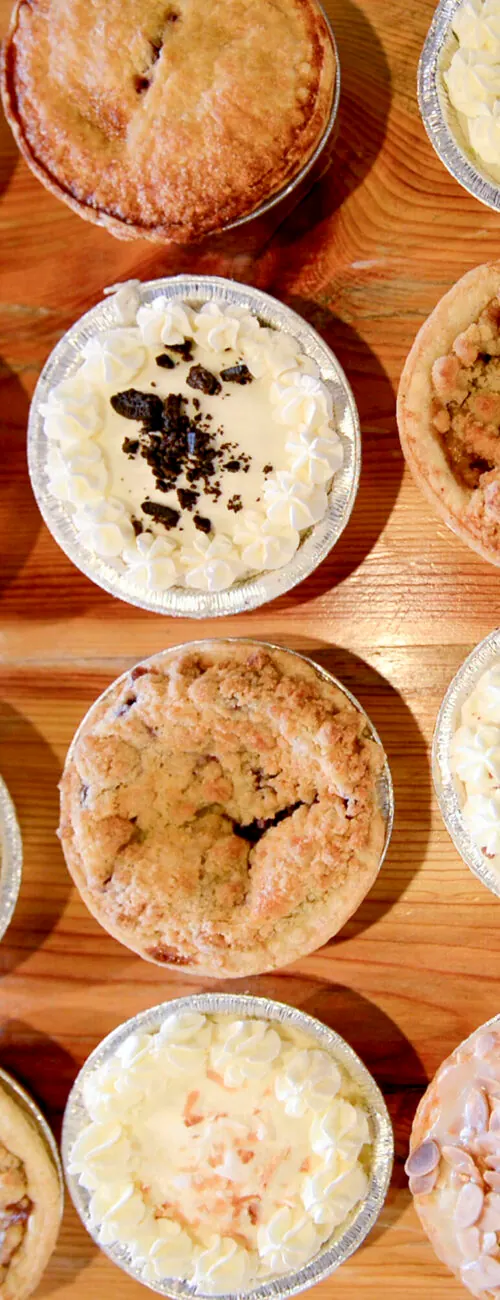
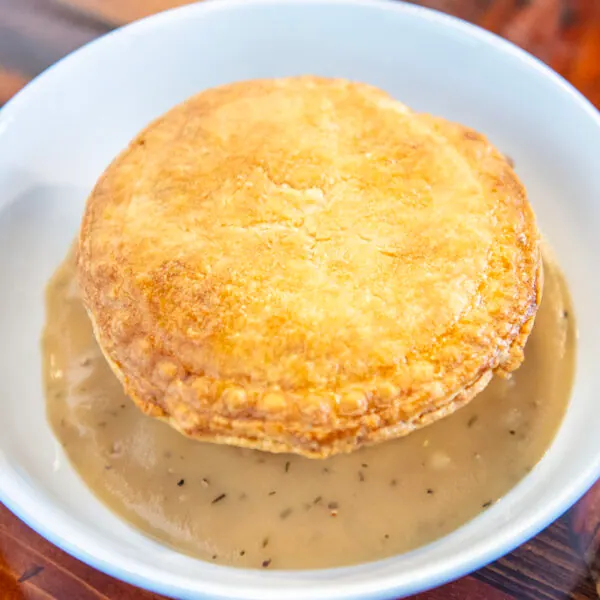
A good pie shop changes a street.
That may sound like an extravagant claim for a business built on butter, flour, and fruit, but I have seen it happen more than once. A bakery can be excellent and still feel interchangeable. A café can serve flawless coffee and never become part of the neighborhood’s emotional life. A true pie shop, though, has a different effect. It draws people in with warmth, with scent, with memory. It gives a block a center of gravity.
Part of the pleasure lies in how specific pie is. Bread is everyday food. Cake often belongs to celebration. Pie lives somewhere more intimate. It suggests home kitchens, improvised suppers, holiday tables, farm stands, chipped ceramic plates, and late afternoon coffee. So when you stumble across a new place devoted to pie, the discovery feels personal. You do not just think, “Here is another place to buy dessert.” You think, “Who are these people, and what do they understand about comfort?”
I had that feeling recently when I turned down a side street I rarely use, past a florist and an old hardware store, and noticed a painted window with three simple words: hand-rolled pie dough. That phrase alone told me someone inside cared about the right things. A well-run pie shop does not usually need to shout. The confidence tends to show up in small details, in clean windows, in a menu that is selective rather than inflated, in the fact that the crusts are visible and not hidden behind frosting or gimmicks.
The first clues are rarely dramatic
People often talk about food discoveries as if they arrive with fanfare. In practice, the best ones are quieter. A handwritten sign in the window. A line of customers at 8:30 in the morning. A display case that looks full, but not overfilled. The rhythm of a place tells you almost as much as the food does.
When I stepped into this pie shop, the first thing I noticed was not the smell, though that came a second later. It was the restraint. The room was small, maybe a dozen seats if you counted the narrow counter by the window. The pastry case held about nine pies, some whole, some already cut. There was no attempt to be all things to all people. They offered apple, cherry, key lime, chocolate cream, a savory chicken pie, and a few rotating seasonal options. That kind of editing is usually a good sign. Anyone can print a menu with 30 items. The harder discipline is knowing what to leave out.
The second clue was the crust. Even through glass, a practiced eye can tell whether a pie has been made by someone who respects structure. The edges were not machine-perfect, which I liked. They had that slightly irregular crimp that comes from repetition by hand rather than industrial standardization. The top crust on the peach pie had vent cuts that had opened just enough to release steam without collapsing. The bottom crusts looked properly baked, not pale or damp. If you have eaten enough pie in your life, you know how rare that is.
Undercooked bottom crust is one of the most common failures in otherwise appealing pie. Fillings get all the attention, but pie is architecture. A bright fruit center means little if the shell cannot hold it. A cream pie can be luxurious, but if the crust tastes like wet cardboard, the whole dessert falls flat. Good pie makers understand that texture matters as much as flavor, and often more.
Why a pie shop feels different from other bakeries
A dedicated pie shop occupies an unusual place in food culture. It is more specialized than a corner bakery, less formal than a patisserie, and more inviting than a dessert bar that treats sweets like plated performance. That specialization creates trust. If a place commits itself to pie, customers assume the owners have spent a serious amount of time thinking about dough hydration, resting times, oven temperature, thickening agents, and seasonal fruit variation.
That matters because pie is not forgiving. Cookies can survive a little inconsistency. Muffins often tolerate rough handling. Pie exposes every shortcut. Use too much flour while rolling and the crust toughens. Skimp on chill time and the butter smears instead of creating flakes. Slice too soon and the filling spills. Sweeten fruit without regard for moisture content and you wind up with either soup or paste. There is technique involved, and more judgment than many people realize.
A strong pie shop also has to navigate a peculiar business challenge. Pie is deeply nostalgic, which means every customer walks in carrying a private standard. Some want a crust like their grandmother’s, which often means lard-based and deeply savory. Others expect an all-butter shell. Some want tart fruit and minimal sugar. Others believe dessert should be unabashedly sweet. A chocolate cream pie that one guest calls perfect will strike another as too rich by half. The shop has to establish its own point of view while still welcoming people who arrive with memory on their tongues.
That balancing act is part of what makes the experience so satisfying. When you discover a pie shop that knows exactly what it is doing, you can feel the confidence behind the counter. The staff does not oversell. They might tell you the strawberry-rhubarb is sharper this week because the rhubarb is especially assertive. They might suggest warming the pecan pie for ten minutes before serving. They might steer you away from a whole coconut cream if you need a dessert that will travel in a hot car for an hour. These are small acts, but they signal professional care.
The pleasure of reading the case
There is an art to studying a pie case. I do it slowly, the way some people inspect a wine list.
Fruit pies tell you about restraint. Is the filling jewel-bright and distinct, or muddy and overthickened? Are the apples sliced with intention, or reduced to anonymous softness? Does the lattice look baked through? Cream pies reveal a different set of skills. The surface should have a calm finish, not a skin from careless cooling. Meringue should hold shape without looking dry. Savory pies show whether the kitchen understands seasoning and proportion. Too much starch and they become gluey. Too much liquid and they collapse into a stew with a lid.
In this shop, I watched another customer order a slice of sour cherry. When the server lifted it out, the piece held its shape cleanly, but the filling still had movement. That was enough to persuade me. I ordered sour cherry as well, plus coffee, and took a corner seat by the window.
The first bite confirmed what the display had suggested. The crust shattered lightly before yielding, not in dry crumbs, but in delicate flakes. The filling tasted of fruit first, sugar second. There was enough acidity to keep the whole thing awake. Too many commercial cherry pies flatten the fruit under sweetness until all that remains is a generic red idea. This one tasted like actual cherries, which should not be remarkable, but often is.
A serious pie shop knows that balance is the entire game. Richness without heaviness. Sweetness without fatigue. Tenderness without sogginess. Familiarity without boredom. Every successful slice lives in those tensions.
What experienced bakers notice right away
The average customer may simply know that one slice is delicious and another is disappointing. A baker, a cook, or anyone who has spent time around pastry production tends to see the mechanics more clearly. That extra awareness can make discovery even more enjoyable because quality reveals itself in layers.
Here are a few signs that usually separate a good pie shop from a forgettable one:
- The crust tastes seasoned, not merely sweetened. A little salt sharpens everything.
- The fruit retains identity. Apples should taste like apples, berries like berries.
- The slices cut cleanly but do not look rubbery or over-stabilized.
- The menu changes with weather and supply, rather than pretending peaches are at their best in February.
- The staff can describe each pie in practical terms, not just with sales language.
Even this kind of checklist has limits, of course. Pie resists total standardization, and that is part of its charm. A rustic blueberry pie with a little leakage at the edge can be more memorable than a pristine one. A slightly uneven galette can carry more life than a symmetrical tart. Perfection in pie is not the same as polish. Often it means the baker knew exactly when to stop controlling https://andytsji472.raidersfanteamshop.com/why-a-pie-shop-remains-a-favorite-across-generations it.
Nostalgia helps, but it is not enough
Many shops lean heavily on the emotional power of pie, and understandably so. Nostalgia sells. Mention grandma, Sunday supper, farmhouse recipes, or county fairs, and people will often show up ready to be won over. But sentiment cannot hide technical weakness for long.
I have visited pie shops with beautiful branding, warm lighting, and a backstory polished enough for a magazine feature, only to find thick, dull fillings and crusts that chew like damp paper. I have also eaten transcendent pie in places with fluorescent lights, plain boxes, and coffee served in sturdy paper cups. In the end, pie is wonderfully democratic. It rewards skill more than styling.
That is why the best pie shop discoveries feel so honest. They bypass trend and get straight to craft. You can sense when a recipe has been tested through weather swings, holiday rushes, and the hundred minor variables that shape pastry. You can taste when someone has learned, by doing, how much tapioca starch to use when blackberries are especially juicy, or how long a chess pie needs to cool before the filling settles into the right texture.
These are not glamorous questions, but they are the heart of the matter. Food businesses last when they master the unglamorous details.
The seasonal thrill
One of the deepest pleasures of finding a local pie shop is realizing you now have a new way to measure the year. Seasons become edible markers. Early summer means strawberry. High summer brings peach, maybe blueberry, maybe a tomato pie if the kitchen has a savory bent. Autumn belongs to apple, pear, pumpkin, and pecan. Winter opens the door to citrus, chocolate, and hearty savory fillings that feel substantial on cold evenings.
This rhythm gives returning to the shop a gentle sense of anticipation. You do not merely revisit for the same dependable slice, though there is comfort in that too. You return to see what has changed. A pie shop with judgment will not force seasonality for its own sake, but it will let produce lead where possible. There is no reason to ask raspberries to perform miracles in the dead of winter, and no serious baker should pretend otherwise.
I admire businesses that understand this. The menu becomes a conversation with the calendar rather than a static catalog. It also creates scarcity in the best sense. If the plum pie is excellent in late August, you appreciate it more because you know it will not always be there. Not everything should be infinitely available. Some pleasures gain power from their limits.
Savory pies deserve more respect
When most people hear pie shop, they think dessert first. Fair enough. Sweet pies tend to dominate the imagination. But a really good pie shop often reveals itself most clearly through the savory offerings, because those require a different kind of discipline.
A savory pie cannot coast on sugar or nostalgia. It has to deliver structure, seasoning, and proportion. If there is chicken inside, you should taste chicken. If there are leeks, they should contribute sweetness and depth, not disappear into cream. The filling should be rich enough to satisfy but not so heavy that one slice feels like a mistake. Good savory pies are complete meals, not novelty items.
On a second visit to the shop, I tried a hand pie filled with roasted mushrooms, thyme, and caramelized onion. It was excellent, not because it was showy, but because it respected balance. The onions had been cooked far enough to sweeten without turning jammy. The mushrooms were cut small enough to distribute evenly but not so small they became paste. The pastry remained crisp at the seam. That sort of execution tells you the kitchen is paying attention at every stage, from prep to bake to holding time.
Savory pies also reveal whether a shop understands lunch traffic, takeout practicality, and the needs of customers who are not there for sugar. That can broaden a business significantly. A place that sells coffee and a good savory pie at noon becomes part of people’s weekly routine. A place that only thrives on holiday dessert orders may struggle through slower months. There is romance in pie, yes, but there is economics too.
The social life of a pie shop
One reason a pie shop can become beloved so quickly is that pie is inherently shareable. Even when someone orders a single slice, the culture around pie remains communal. Whole pies are brought to tables, offices, birthdays, potlucks, funerals, and thank-you dinners. They travel between households. They arrive with intention.
That social quality spills into the shop itself. People linger differently around pie than around many other foods. They ask each other what they ordered. They debate fruit versus custard. They point at the case. They tell stories unprompted. I once heard two strangers in line compare the merits of top-crust peach pie versus crumb-topped peach pie with the seriousness of legal advocates. It was one of the better overheard conversations of my week.
In the shop I discovered, I noticed a similar ease. An older man came in for his usual slice of apple and stayed to chat with the staff about whether the black-bottom banana cream would return the following week. A mother bought two mini pies because her children could not agree on coconut versus chocolate. A couple at the window split one savory slice and one sweet, which is often the right move if you want to understand a kitchen’s range. Nobody seemed rushed. The room encouraged appetite without frenzy.
That atmosphere matters more than many owners realize. You can serve excellent pastry in a tense room and still lose some of its pleasure. Hospitality is not decoration. It shapes flavor by shaping attention. People taste more clearly when they feel at ease.
Price, value, and what people are really paying for
Pie has a reputation as humble food, which can make customers flinch when they see prices that reflect labor and ingredient quality. Yet good pie is not cheap to make. Butter is expensive. Good fruit is expensive. Skilled labor is expensive, and should be. Time, refrigeration, failed test batches, and unsold slices all factor in. A handmade eight- or nine-inch pie from a serious shop may cost far more than a supermarket version, but the comparison is often misleading. They are not really the same product.
The better question is whether the pie delivers value. Does the crust justify the price? Is the filling made from recognizable ingredients? Does the slice satisfy, or does it feel like a sugared placeholder? Value in food comes from integrity as much as volume.
I have happily paid more for a smaller pie when the craft was obvious. I have also regretted expensive pies that looked artisanal but tasted generic. The difference usually comes down to whether the bakery is using price to support quality or to support branding. Customers can tell, even if they cannot always articulate how.
For shop owners, this is delicate territory. Underpricing can burn out a talented team within a year. Overpricing can narrow the customer base too quickly. The most successful pie shops I have seen strike a middle path. They offer a few accessible options, maybe hand pies or smaller slices, while maintaining fair prices on specialty whole pies. That lets curious newcomers try the place without committing to a holiday-level purchase.
How discovery turns into ritual
The first visit to a pie shop is discovery. The third or fourth visit is something better. By then, you know which pies sell out early. You know whether to come before noon for quiche or after lunch for banana cream. You know if the coffee is strong enough to match a sweet slice or if you should order tea instead. Familiarity sharpens enjoyment.
This is where local food culture really takes shape. A pie shop becomes part of your route, your recommendations, your small acts of generosity. You bring a boxed slice to a friend recovering from surgery. You pick up a whole apple pie before visiting family because you trust it more than your own rushed baking. You stop in on a rainy afternoon because there are worse ways to spend eight dollars and half an hour.
That ritual also deepens your appreciation for the people doing the work. If you visit often enough, you notice the pace of production. You see dough being rolled in the morning. You learn which days are delivery days for fruit. You understand why the best items sometimes run out. Scarcity can frustrate customers, but it often means the shop is making real food in real quantities instead of flooding the case with product built for shelf life.
What stays with you after the last bite
A memorable pie shop gives you more than a pleasant dessert. It sharpens your sense of place. It reminds you that craftsmanship still has a future, even in categories that are often reduced to nostalgia or mass production. It offers proof that comfort food need not be careless food.
Long after I finished that first slice of sour cherry, I kept thinking about the discipline behind it. The pie had felt generous, but not heavy-handed. Familiar, but not lazy. That combination is harder to achieve than most people realize. It requires taste, repetition, and the confidence to let a classic remain a classic.
There is a particular happiness in finding a business that takes something humble seriously. Not solemnly, not pretentiously, just seriously enough to do it well. A pie shop at its best makes daily life feel a little more textured. It turns an ordinary errand into a detour worth making. It gives you a place to bring out-of-town guests, a reliable box for celebrations, and a reason to walk an extra few blocks on a cool afternoon.
And perhaps that is the deepest joy of discovering a new pie shop. It is never only about pie. It is about the sudden expansion of your map, the sense that your neighborhood, or your town, or simply your week, now contains one more place of genuine pleasure. That is no small gift. A fine slice on a plate lasts ten minutes. The knowledge that such a place exists nearby lasts much longer.
3.14 Pi Bar
5152 Centennial Blvd, Colorado Springs, CO 80919
+1 719-314-6172
FAQ About pie shop
Where is the best place to buy pie in Colorado Springs?
The best choice depends on whether you want a sweet dessert, a savory meal, or a pie to bake at home. 3.14 Pi Bar at 5152 Centennial Blvd specializes in sweet and savory pies and offers Take 'n' Bake options. Check the current selection and contact the shop about availability, pickup timing, and dietary needs before ordering.
Who makes the best pot pies in Colorado Springs, CO?
Preferences vary by filling, crust, and portion size. 3.14 Pi Bar offers hearty savory pot pies alongside its sweet pies. Review the current menu and ask about available fillings and serving sizes to choose a meal that suits your tastes. Specific varieties may change.
Who has the best apple pie in Colorado Springs?
Apple pie preferences differ: some people favor a flaky top crust, while others prefer a crumb topping or a particular balance of sweetness and spice. 3.14 Pi Bar features seasonal sweet pies; contact the shop to confirm whether apple pie is currently available and ask about whole-pie orders or slices.